
BloodSpeed is a first-in-class platform that directly measures how efficiently red blood cells exchange oxygen, addressing a fundamental gap in clinical diagnostics.

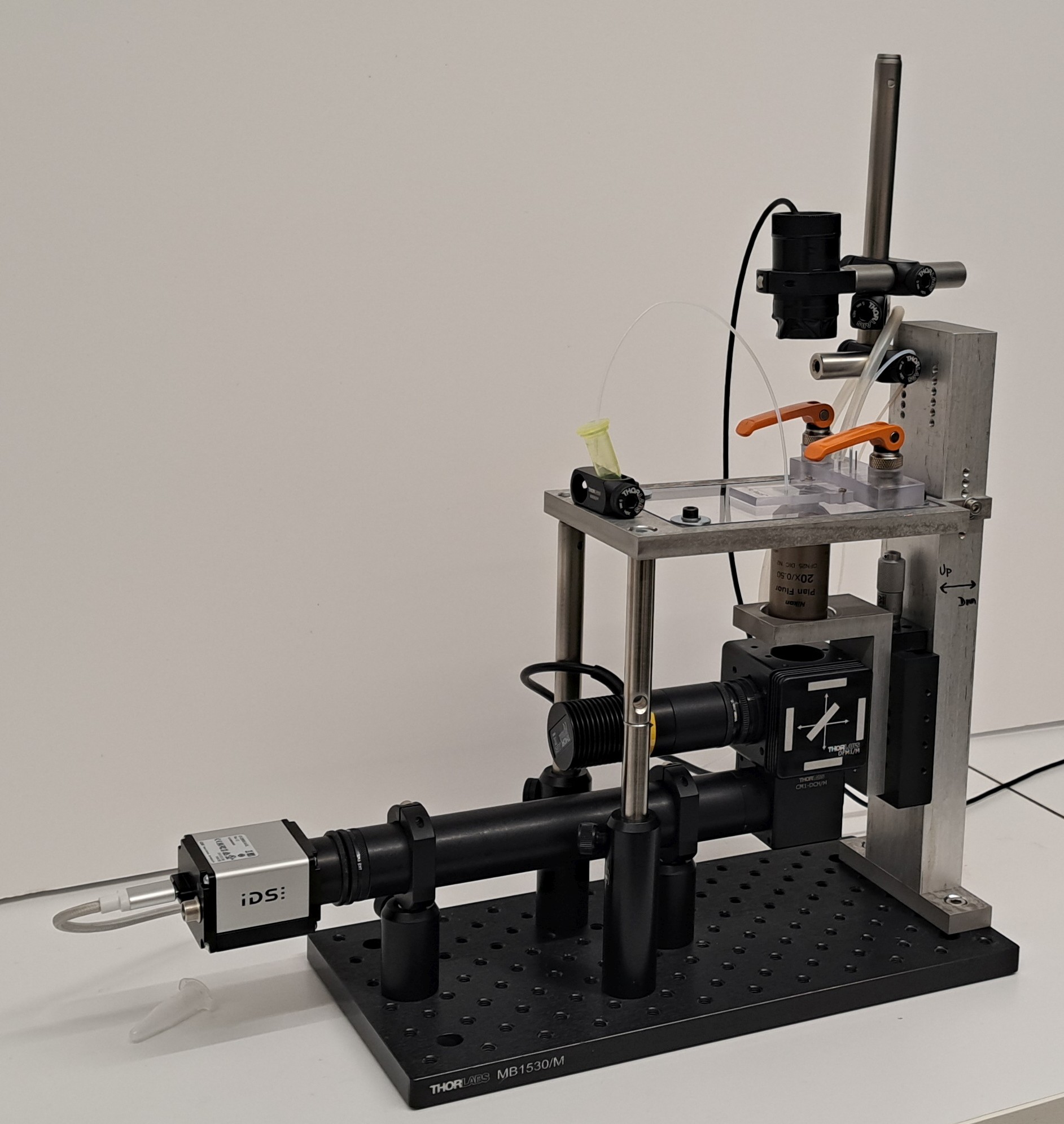
By introducing a new, physiologically meaningful metric of red cell performance, BloodSpeed has the potential to improve diagnosis, optimise the use of donor blood, and support the development of next-generation blood technologies. We are now working to disseminate this technology across clinical and research settings, generating the data needed to integrate functional blood testing into routine healthcare and enable more informed, data-driven decision-making.
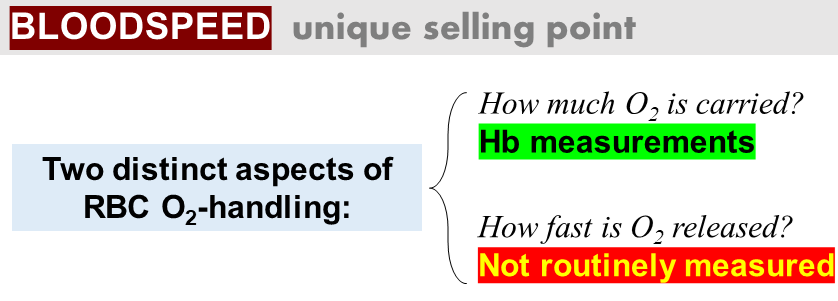
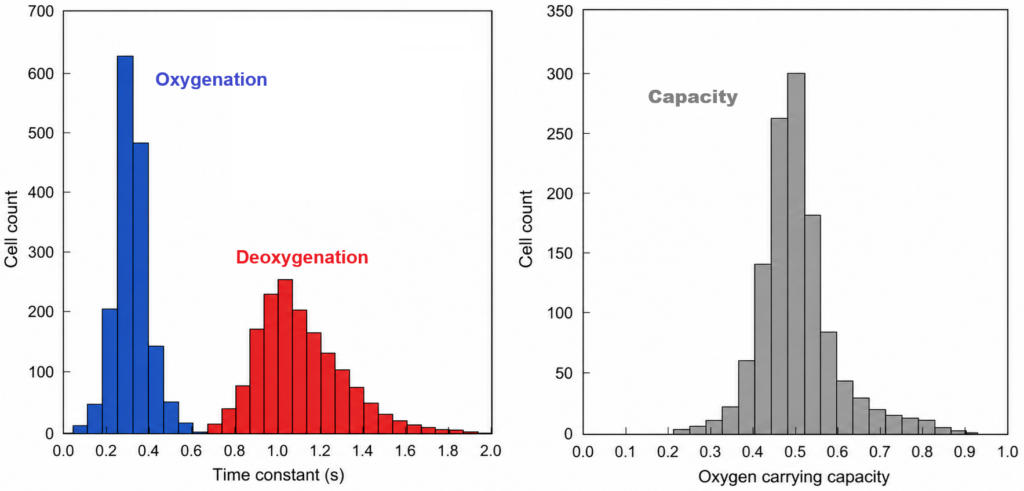
Current blood tests quantify oxygen-carrying capacity, but do not capture how effectively oxygen is released to tissues, leaving a critical gap in clinical diagnostics and transfusion medicine. BloodSpeed addresses this by measuring oxygen-loading and unloading kinetics at single-cell resolution, revealing functional differences that are invisible to conventional assays.
Project leadership

Pawel Swietach
Professor of Physiology at Oxford and scientific lead, Oxford, UK
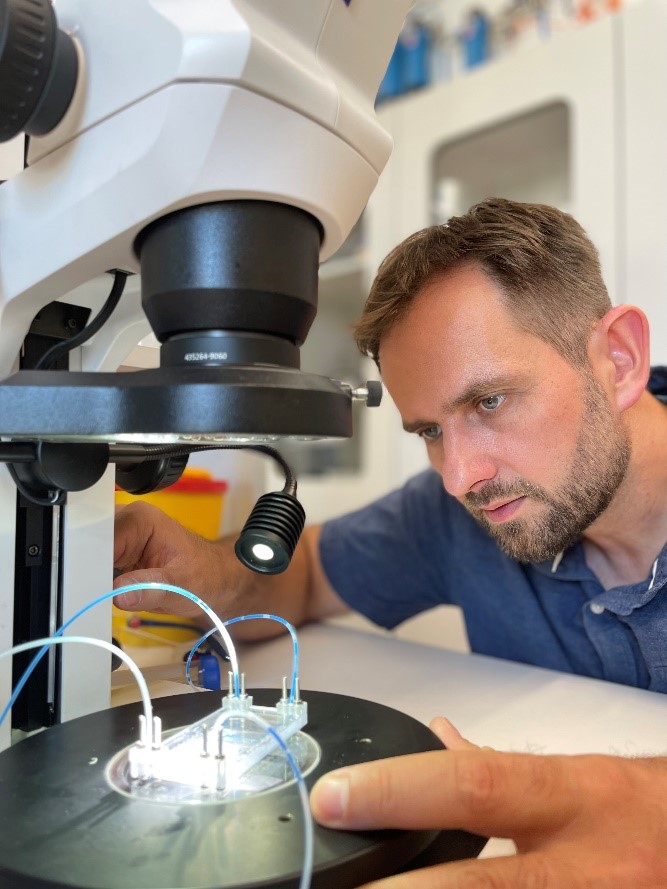
Piotr Korczyk
Engineering lead, Warsaw, Poland

Sławomir Jakieła
Imaging lead, Warsaw, Poland
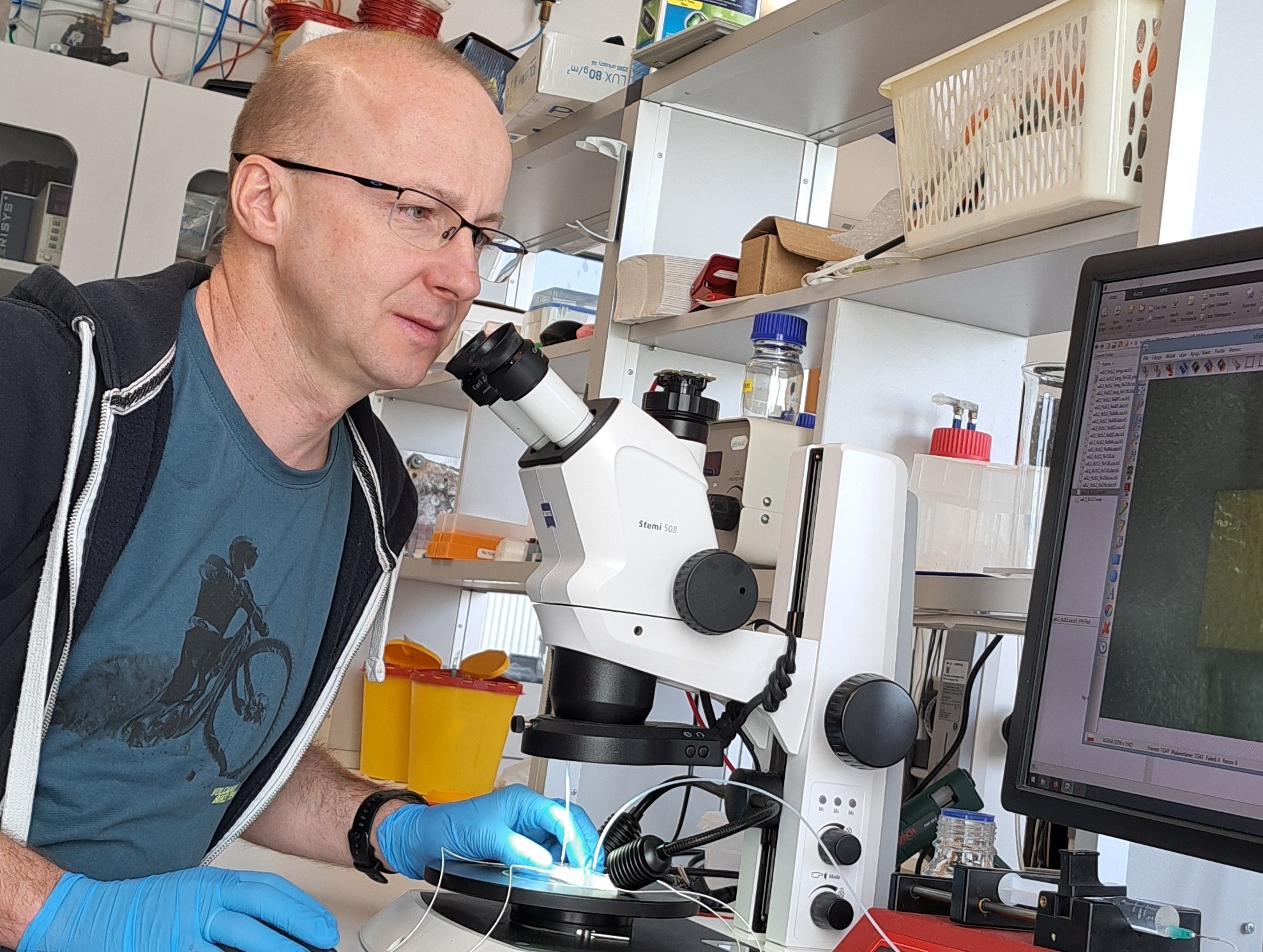
Sławomir Błonski
Microfluidics lead, Warsaw, Poland
Why red cells?

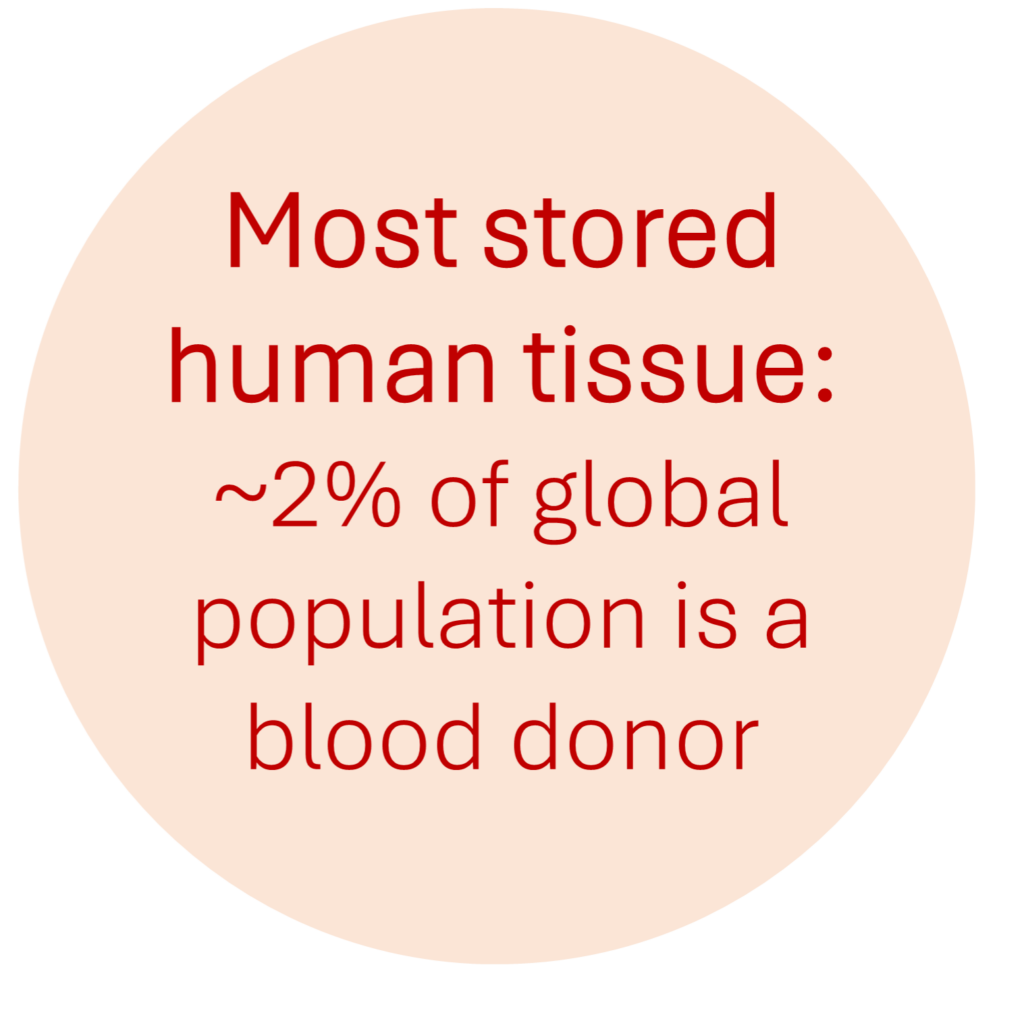
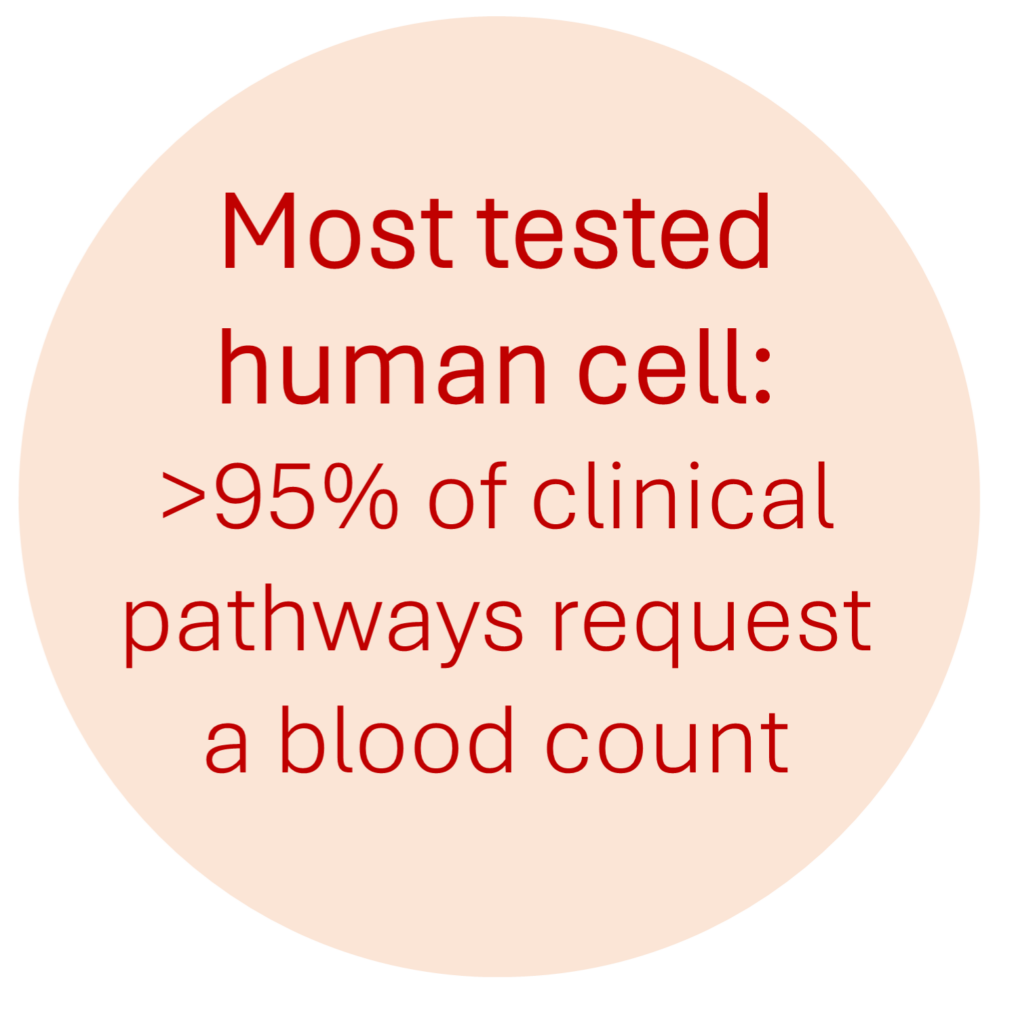

| IMPORTANCE | UNMET NEED |
| >95% of clinical pathways request a blood test, which primarily reports RBC metrics | The primary function of RBCs is oxygen delivery, yet no clinical test is measuring this |
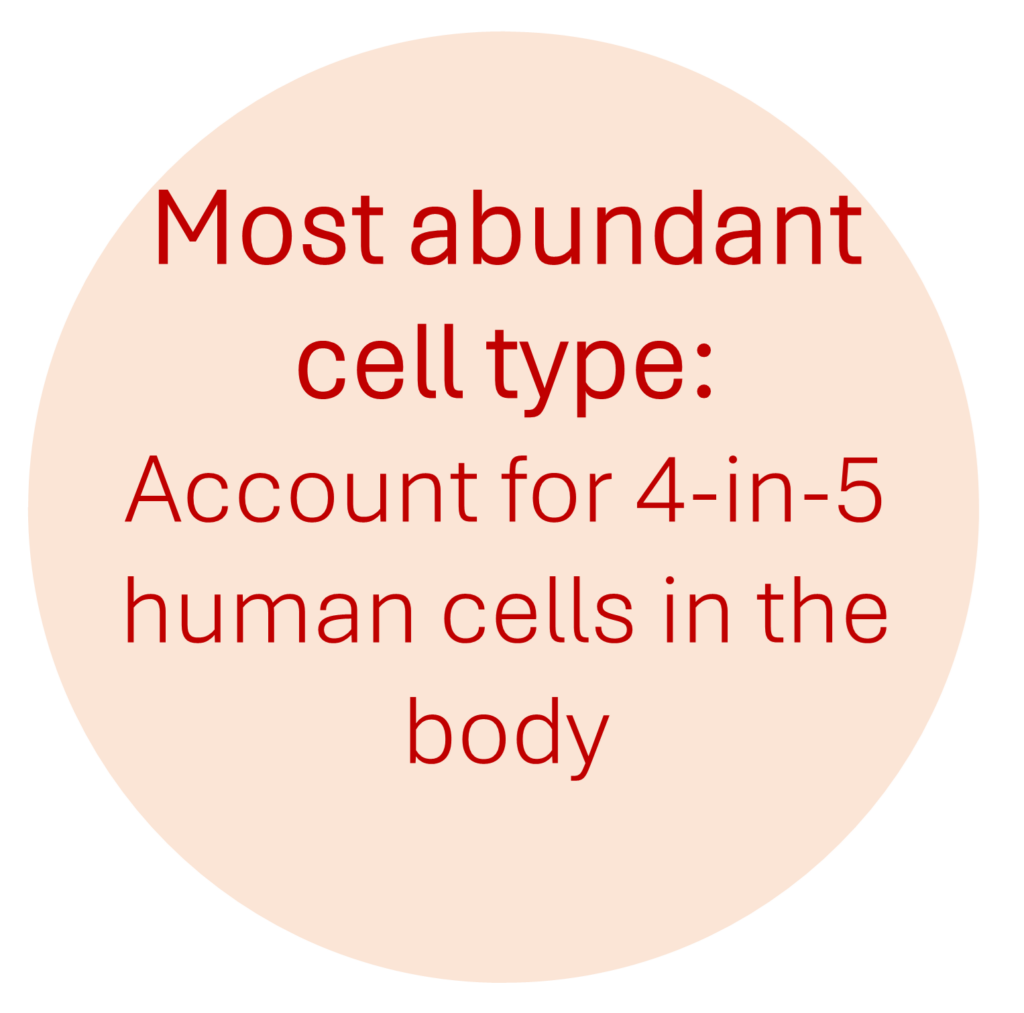
| RBCs account for 80% of cells in the body; with limited repair capacity, act as sentinels of stress | Oxygen release is a highly responsive blood parameter, but not exploited in health screens |
| Transfusions are a common hospital procedure, but 120M donations do not meet global demand | Despite regulatory requirements, novel and refined transfusion products are not functionally assessed |
| Anaemias (RBC disorders) are the most prevalent disease worldwide, affecting 2B people | Routinely collected RBC data lack functional depth to diagnose and treat anaemias accurately, e.g. can kinetic dysfunction underpin unexplained anaemia? |
BloodSpeed development is funded by the European Union